SHELL OF THE MONTH AUGUST 2012

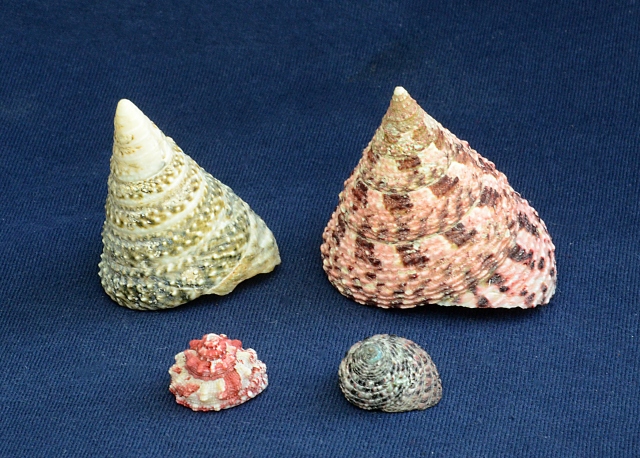
Tectus triserialis, Lamarck, 1822. Caught in 50 meters deep rocky & muddy bottom, Semirara Islands, Samar, Philippines.

Tectus conus, Gmelin, 1791. On rock and rubble, collected by local fishermen by nets near Rapu Rapu Island, Albay Gulf,  Philippines.

Trochus ferreirai, Bozzetti, 1996. Trawled in 50 meters depth, Masbate, Philippines.

Monodonta labio, Linné 1758. Rocky shore in shallow water, Negros Island, Philippines.

The Trochidae are conical shaped gastropods. They are herbivorous and found grazing on seaweed and algae covered rocks. Trochidae are found worldwide in tropical waters and well represented in the Philippines where all of our specimens were collected. These four specimens exhibit the diversity of the family in shape and size, although many come much much smaller and one, Tectus niloticus. grows so large that it dwarfs the largest of these. It is interesting that this family favors reds and greens, two colors not often found in other gastropods. These shells are pearlescent under the outer layer. This inner layer is called “nacre” or mother of pearl in plain English.  “Pearlized” specimens of the larger specie are found in the tourist shops. Trochus ferreirai was discovered less than twenty years ago and until very recently sold for over $20 each. Its red and white swirls make it very attractive Specimens of the upside down ice cream cone shaped Tectus triserialis, while not rare, are difficult to acquire. Tectus conus is the most popular of the lot, rightfully so due its large size, elegant shape and beautiful coloration.

Shells donated by Richard Kent

SHELL OF THE MONTH JULY 2012

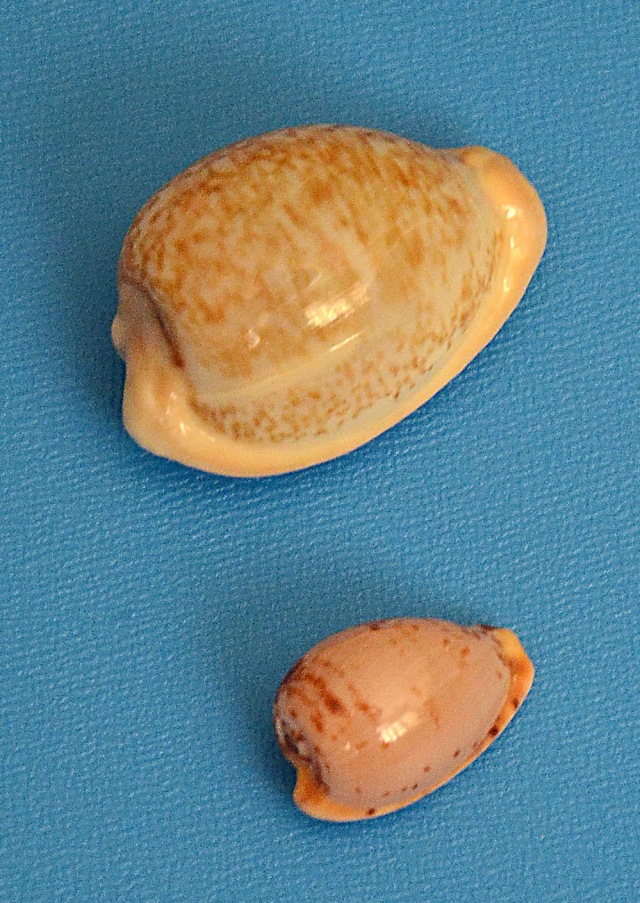
When B.C. Burgess wrote his monumental book “The Living Cowries” in 1970 little was known about the South African endemic cowries. In fact according to Burgess there existed no live collected specimens of either Cypraea fuscorobra or Cypraea edentula. In the years that have passed, SCUBA has become much more prevalent and live specimens of all the South Africans are available. Still they are anything but plentiful on the market. At the Cape of Good Hope the Atlantic and the Indian Oceans converge. All the major mollusc families have members indigenous to the area. Cypraea fuscorobra and Cypraea edentula are members of the genus Cypraeaovula, Gray 1824. Both belong to the “algoensis” group. Cypraeaovula are noted for ecological variations and hybridization. Some are quite difficult to identify, even with a guide book. Cypraea edentula, Gray 1825 lacks teeth and is called, as to be expected, the Toothless Cowrie. It is commonly between 18 and 24 millimeters in size. Small specimens are more available than large ones. Cypraea fuscorobra, Shaw 1909, has the boring common name of “Reddish Brown Cowrie.” It is rather globular in shape with a large callous and larger in size, the average being between 30-36 millimeters. Both retail in the $15 to $25 range. Choice specimens, especially of Cypraea edentula are hard to find. Both are prone to stress marks across the dorsums. Our two specimens both collected this year are donated by Richard Kent. They were acquired direct from a South African dealer, are of superior quality and fine starters for a South African collection. Many of the closely related and similar looking species are considerably more expensive and very difficult to acquire without a direct South African source.

Cypraea fuscorubra, Shaw 1910, Scuba on reef at 36-40m, Hout Bay, South Africa 2012

Cypraea edentula, Gray 1822, Scuba at 15m on reef, Port Elizabeth, South Africa 2012

GAINESVILLE FIELD TRIP

WHAT: A trip to Gainesville to see behind the scenes in the Department of Invertebrate Zoology. The second largest collection in the United States is housed here. We will meet with John Slapcinsky and tour the section. Later we will go behind the scenes of the Paleontology section. A trip to the Forida State Museum and their exhibits, for a slight extra fee, you can tour their Butterfly Garden.
WHERE: The weekend of July 27, 28 and 29. Leave Friday night, come back Sunday.
WHEN: Stay at the Paradise Motel on Hwy 441, just 1 1/2 miles from the Museum. The rates are really excellent, less than $50 per night, rooms with 2 queen beds. Lounge and Restaurant in the motel. Swimming Pool, balcony for poolside rooms. Poolside is a little extra. I will have a menu from the Restaurant at the next meeting.
Plans are a little sketchy as it will depend on who wants to go and what the majority want to do. Here is the bare bones:
Leave Friday July 27, meet or carpool or rent a van, depending on the majorities wishes. Stay at the Paramount Plaza Motel, which is about 11/2 mile S. of the turnoff to the Museum collections on 441. There is an ad in the Florida Roomsaver magazine for one King or 2 double beds room at $42.99 per night, plus taxes etc. That is still pretty reasonable. Plus there might be an even better rate as it is off season.
I have never stayed there, but they let me look at one of the rooms and it is very nice. Saturday morning go to the collections Department for a tour. Depending on the timing, we will go to lunch. Also we should have time to either go to the fossil collections department or to the actual public museum with butterfly gardens. Sunday we will possibly do again, either the fossil collections or the museum, whichever we did not do the day before. Depending on the time we can either leave for home or try to go to Blue Springs or Ginnie Springs for a short while. Again, it is up to the participants to determine.
The variable factors are: how many people want to go by themselves or want to chip in and rent a car. Let me know at the next meeting if you wish to go.
Carole Marshall
561-386-5036

SHELL OF THE MONTH – MAY 2012

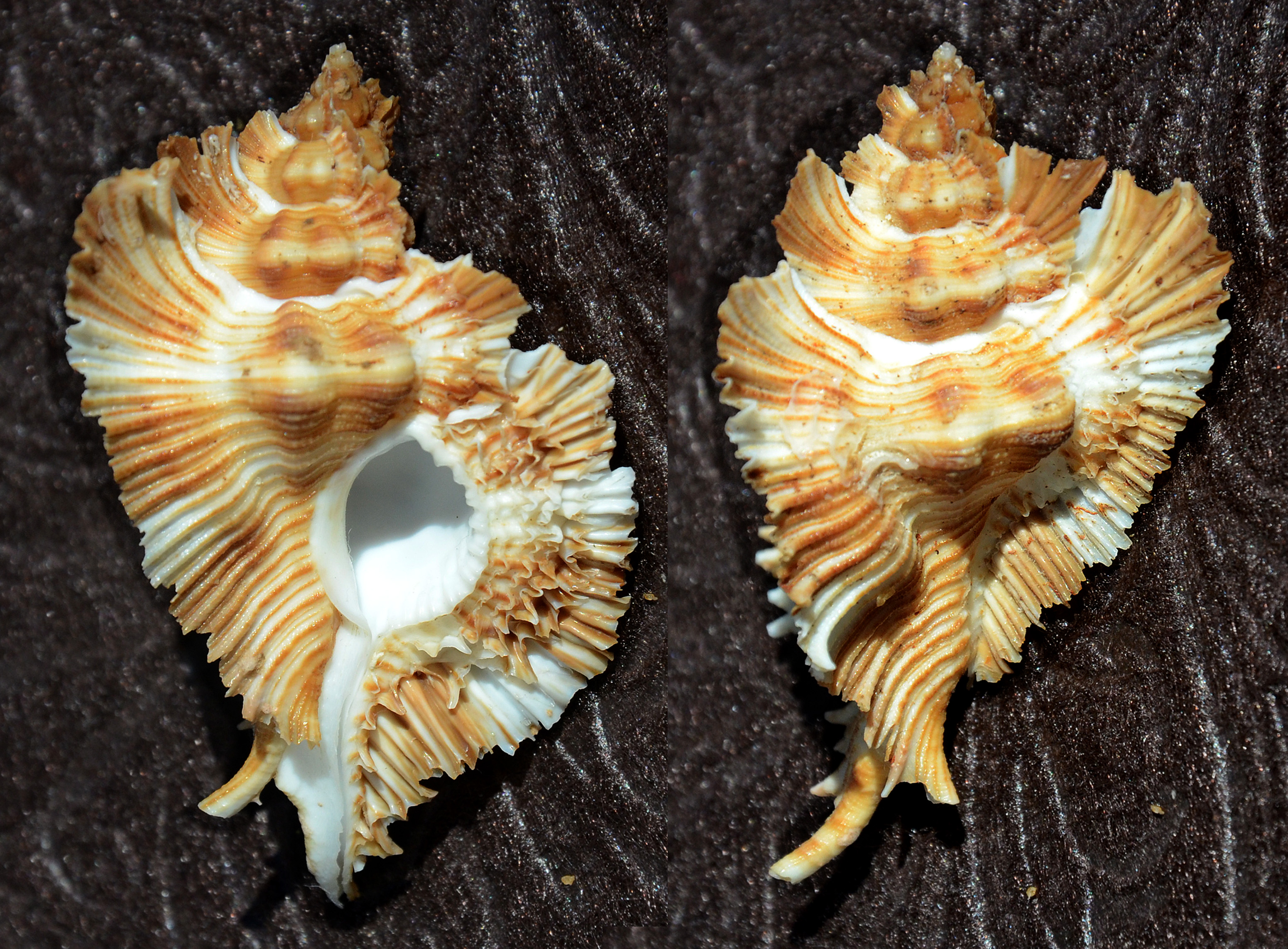
Pterynotus miyokoae, Kosuge, 1979
Tangle nets at 100-150 m deep
Olango Island, Cebu, Philippines.
2009  SIZE about 60mm

It sure is a mouthful to pronounce the name! Pterynotus miyokoae is one of the most spectacular of the murex with elegant “wings” and marvelous delicate sculpturing. Scholars debate how it ended up a Pterynotus, with some saying it should be a Chicoreus. Other Pterynotus shells are awkward in appearance, misproportioned with their wings irregularly developed. Miyokoae are brown banded while Pterynotus are solid white or pastels. Pterynotus are very variable whereas the miyokoae are amazingly consistent. This was a very expensive shell when Kosuge described it in 1979 but prices have greatly declined. As all miyokoae look exactly the same, the lack of variety has reduced the value. It is indigenous to the Philippines where recently albino populations have been discovered.


NOMINATONS FOR OFFICERS – 2012-2013

Yes, it is also that time again! The Nominating Committee consisting of Phyllis Diegel, Sally Marshall, Carolyn Harvey, Linda Zylman, alternate Heather Strawbridge and Chair, Sonny Ogden have met and present the following Slate of Officers for 2012-2013: President – Linda Sunderland Vice President – Sonny Ogden Treasurer – Ike Alvo Corresponding Sec. – Carolyn Harvey Recording Secretary – Alice Pace We will vote on this slate at the April meeting, but if you want to nominate anyone for one of the positions from the floor, it must be done with that nominee’s prior consent.

MEMBERSHIP DUES – LAST CALL! Heather says that renewal dues will be due by April 30th. PLEASE do not procrastinate and get then in now so I can get my records organized for the year ahead. PLEASE NOTE that all new members who have joined at and since the Shell Show do not have to renew at this time. Your membership will good until next year. The dues rates are at follows: Individual or Family (at one address) $18.00 Student (up to grade12) $5.00 International $20.00

CORAL REEF IDENTIFICATION CLASSES

The Florida Department of Environmental Protection Coral Reef Conservation Program (FDEP CRCP) invites you to celebrate Earth Month 2012 by participating in one or more of four educational classes that will each be held twice during the month of April. Classes are FREE, and will be held at the Biscayne Bay Environmental Center (the FDEP CRCP office) located at 1277 NE 79th Street Causeway, Miami, FL 33138. Space is limited, so reserve your spot(s) early by RSVP’ing with your name and preferred class time(s) to Coral@dep.state.fl.us.

REEF Fish Identification:
6 – 9pm (Tuesday, April 3) or 1 – 4pm (Thursday, April 5)
DESCRIPTION: This is a beginner course that teaches the basics of “fish watching”, including how to identify 50 commonly sighted species in the tropical western Atlantic. All materials are provided. An evaluation will be conducted at the end of the training. Anyone scoring 80% or better and who goes on to complete two fish surveys can become an Experience Level 2 volunteer for the Reef Environmental Education Foundation (REEF). The REEF Fish Survey Project is a volunteer fish monitoring program that enables volunteer SCUBA divers and snorkelers to collect and report information on marine fish populations. The data are collected using a fun and easy standardized method, the Roving Diver Technique (RDT), and are housed in a publicly accessible database on REEF’s website. Data collected by REEF volunteers are used for public education and by a variety of resource management agencies and researchers. For more information on REEF, go to: http://www.REEF.org.

Marine Invertebrate Identification:
6 – 9pm (Tuesday, April 10) or 1 – 4pm (Thursday, April 12)
DESCRIPTION: The most common sea sponges, octocorals (soft corals), crustaceans, echinoderms and mollusks that you are likely to encounter while diving or snorkeling on southeast Florida’s coral reefs will be introduced in this course. A knowledge review will be administered at the end of the class and all participants will receive a resource CD-ROM of images from the course for future reference.

PADI Project Aware:
6 – 9pm (Tuesday, April 17) or 1 – 4pm (Thursday, April 19)
DESCRIPTION:
This is a formal, but fun, introduction for divers and non-divers alike to the plight of the world’s aquatic ecosystems. It is offered to anyone who wants to learn more about, and take responsibility for, marine and freshwater environments. Although diving and snorkeling offer the best avenues to appreciate the aquatic world, you do not have to be a diver to participate in this Project Aware presentation – it’s open to everyone. The only requirement is an interest in learning more about the 70% of the earth covered in water. A knowledge review will be administered at the end of the class and all participants will receive a resource CD-ROM of images from the course for future reference. A PADI certification for the Project Aware Specialty course will also be available for a fee of $18.00 to cover the cost of the materials, but will not be necessary for participation in this seminar.

Stony Coral Identification:
6 – 9pm (Tuesday, April 24) or 1 – 4pm (Thursday, April 26)
DESCRIPTION: This course will introduce you to thirty species of stony corals found offshore Miami-Dade, Broward, Palm Beach and Martin counties. A knowledge review will be administered at the end of the class and all participants will receive a resource CD-ROM of images from the course for future reference.

Coral+Reef+Identification+Classes+Earth+Month+2012
PANAMA CITY BEACH SHELL SHOW

The Gulf Coast Shell Club will be hosting the 15th Panama City Beach Shell Show – July 13 – 15, 2012. The show will be held at the Panama City Beach Senior Center – 423 Lyndall Lane in Panama City Beach.

Check the web page for a flyer with show information and an exhibitors entry form. Please share this with your viewers and/or post it on your web page.

The Gulf Coast Shell Club meets regularly on the second Tuesday of the month at 7 pm at the Lake Huntington Club House. Visitors are always welcome. For additional Information visit our web site at http://gulfcoastshellclub.weebly.com

SHELLERS’ JAMBOREE

About the Shellers’ Jamboree

Your hosts—Suncoast Conchologists

Saturday and Sunday, May 26-27, 2012: Jamboree BEACH—the Best Escape Anyone Can Have!

So what do you do at a Shellers’ Jamboree? We’ll be enjoying the weekend, meeting and greeting old and new shelling friends at the recently renovated Minnreg Hall in Largo. On Saturday morning, our Beachcombers’ Bazaar (Shellers’ Flea Market) is the time for shellers to sell items of interest to fellow shell enthusiasts. For a nominal fee, you can use an 8-foot table to sell your extra shells or any shell-related items—crafts,clothing, books—whatever. Or simply take it easy and be a browser or buyer! The first Silent Auction will be buzzing all morning. There will also be time for Shell ID and Measuring—any new records out there? Programs will be planned after the Barefoot Deli Buffet as well as another Silent Auction. You won’t want to miss “Shore is Fun!” Happy Hour, before the Beach Ball Buffet, followed by Saturday evening’s program.

Sunday morning you can enter the Shell Show and Art and Craft Show which will be judged by experienced shellers. You may cast your own votes for the Shellers’ Choice Awards. As the day progresses, there will be another silent auction, programs, a verbal auction, our Sunny Day Bar-B-Q, as well as presentation of the show awards. We’ll say good-bye to everyone at that evening’s Sunset Banquet.

Do you have any snail figurines? You’ll be able to show them off on Sunday in our famous and fun Snail Parade. You may enter as many snails as you like. All Jamboree attendees will be the judges this time—everyone will vote for his/her favorite snail in each of the five categories.

We are in need of shells and shell-related items to use for the Jamboree Silent and Verbal Auctions. If you have any shells or related items you would like to contribute, mail your donations to Sharlene Totten, 2252 Springflower Drive, Clearwater, FL 33763.

This is truly a wonderful event and if you have never attended before we encourage you to do so.

All info and forms may be downloaded at http://www.suncoastconchologists.org E-Mail Jamboree2012@aol.com for any questions.

BONNET HOUSE FIELD TRIP

click on photo to enter Bonner House web site

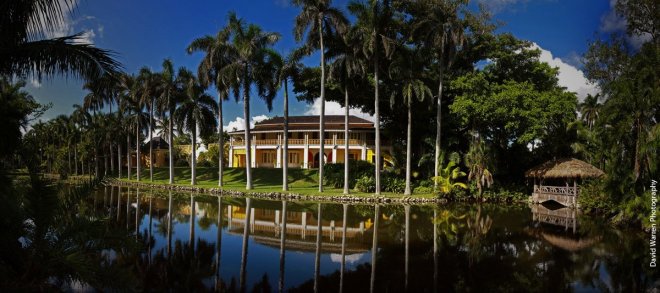
You are invited to attend a field trip to the Bonnet House Museum and Gardens. Located at Sunrise Blvd. and A1A, This 1920’s, 35-acre estate is listed on the National Register of Historic places. Our club member-docent, Fran Koerner will be our guide. Check out this Gem in the middle of beautiful Ft Lauderdale Beach (www.bonnethouse.org.). It has something for everyone’s interest, be it history, art, horticulture, birding, or Shells!

DATE – April 14, 2012 TIME – 9:45 a.m.to 12:00COST – $14.00 per person which includes Main house + 15 min. tram tour of the grounds.

NEEDED – minimum 15 – max of 20 to lock in this rate. On your own, It’s $24.00

CONTACT- Heather Strawbridge to reserve your space.

Home- 954-763-6943 / cell-954-330-2521 e-mail – seahorse51@bellsouth.net